Why Regular Forklift Recertification Protects Your Company From Workplace Accidents
Jason had driven forklifts for 10 years without a serious incident. One busy Monday, he rushed to pull a pallet from a high rack. He turned a little too fast, the load shifted, and the forklift rocked onto two wheels. The pallet slammed into the rack, but, luckily, no one was walking nearby.
That near-miss shook the whole team. When the safety manager checked Jason’s record, his last refresher course was over 4 years old.
Forklift recertification is a regular skills and safety check for licensed operators. It reviews training, tests driving, and confirms that workers still know how to handle the truck and the hazards around it.
This article explains how regular recertification cuts accidents, keeps workers safe, and protects your company from fines, lawsuits, and hidden costs that eat into profit.
What Forklift Recertification Is And Why It Matters For Safety

Forklift certification is not a one-time event. It is an ongoing process that backs up every safe lift, turn, and stop in your facility.
In the United States, OSHA requires that forklift operators are trained, evaluated, and checked again at least every three years, or sooner if there is a problem. The point is simple. A forklift is heavy equipment, so the person behind the wheel must stay sharp.
Recertification turns that rule into a habit. It adds structure to what good safety managers already know: skills fade, work changes, and short cuts creep in. Regular checks keep operators ready for the real risks they face every day.
Basic overview of forklift certification and recertification
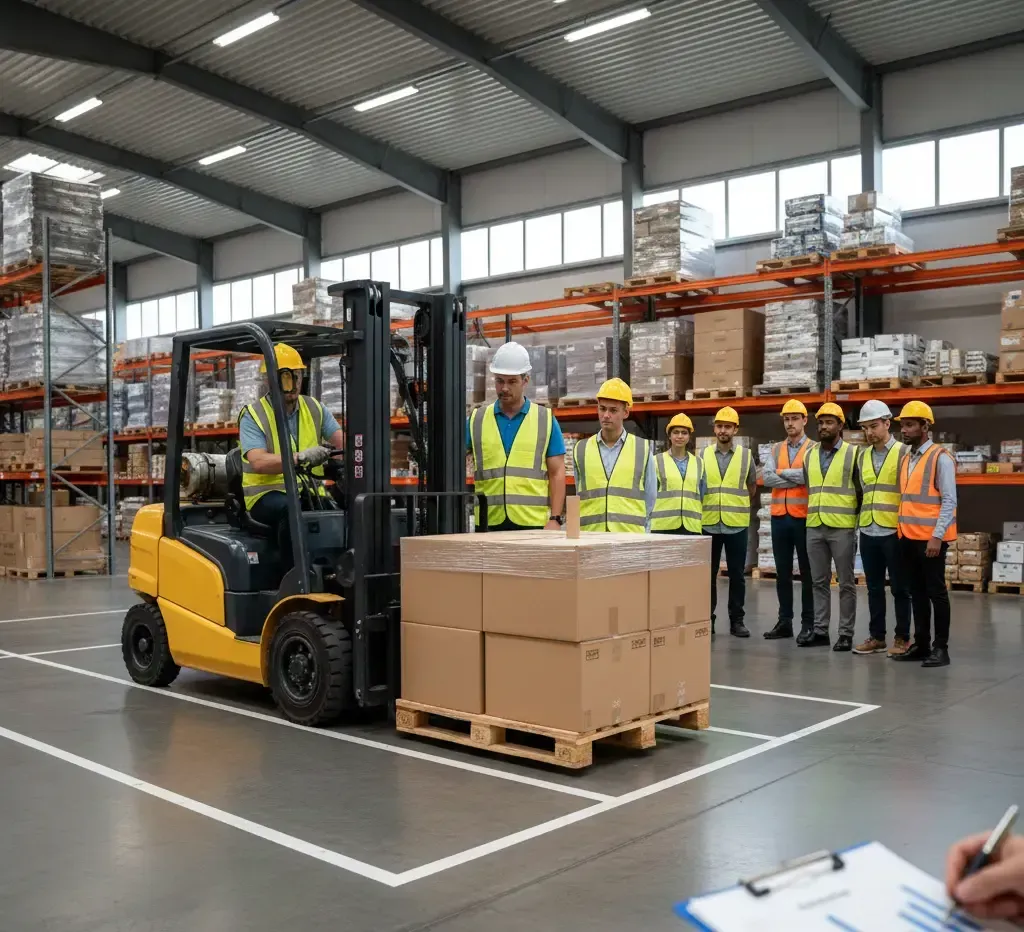
Initial forklift certification usually has three parts: training, a written or online test, and a hands-on evaluation with the truck.
Recertification repeats that pattern in a shorter, focused way. Operators review key rules, complete a quiz or test, then show they can still operate safely in your workplace.
Common triggers for recertification include:
- The OSHA three-year requirement
- A new type of forklift or new attachment
- Major changes in the layout or traffic flow
- A safety violation, near-miss, or actual accident
Each trigger is a sign that risks have changed and skills must match.
How regular recertification fits into a safer workplace
Regular recertification keeps skills fresh and habits clean. Operators get reminders on speed control, turning, stacking, and parking. Instructors can spot risky behavior, like driving with raised forks or using phones while moving.
It also keeps everyone up to date on new site rules, new pedestrian walkways, or a new loading dock design. When training is steady, workers see it as part of the job, not a punishment.
This builds a stronger safety culture. People expect to talk about risk. Managers can point to fewer accidents, less product damage, and fewer injuries as proof that the system works.
See a Sample Recertification Plan
Get a clear, simple outline of what a successful forklift recertification program looks like in action.
Key Ways Forklift Recertification Helps Prevent Workplace Accidents
Forklift recertification is not just about ticking a compliance box. It has a direct link to how often your people get hurt and how often your equipment and products get damaged.
Done right, it cuts operator errors, sharpens hazard awareness, and lowers legal and financial risk for your business.
Cutting down operator errors that cause most forklift accidents
Most forklift accidents start with small operator mistakes that snowball into big problems. Common issues include speeding through aisles, making sharp turns with a raised load, failing to tilt the mast correctly, and driving while distracted.
Over time, even good operators slide into short cuts. Maybe they skip horn use at intersections or carry unstable loads to save a trip. Recertification pulls these habits into the open.
During a refresher, instructors review safe driving rules, proper stopping distances, and correct load handling. They watch operators in real tasks, such as backing out of racks or working near doors. Simple corrections at this stage prevent tip-overs, rack hits, and contact with co-workers later.
Improving hazard awareness in a busy warehouse or yard
Warehouses and yards change all the time. New racks go up, seasonal staff arrive, and traffic patterns shift. A blind corner that was safe last year might be dangerous now.
Recertification trains operators to scan for hazards as they move. They learn to look for:
- Blind spots around racks and stacked goods
- Pedestrians walking in aisles or near docks
- Wet or oily floors that reduce traction
- Uneven ground, potholes, or dock plates
Good courses also stress clear communication with spotters, pedestrians, and truck drivers. Simple habits like eye contact, hand signals, and horn use can prevent collisions and falls from docks.
When operators finish recertification with better awareness, they treat each trip like it matters, not just another lap through the warehouse.
Reducing company risk, legal exposure, and hidden costs
Every forklift accident has a price tag. There are direct costs, like medical bills, workers’ compensation claims, damaged racks, and ruined product. There are also hidden costs, such as downtime, delayed orders, overtime to cover injured workers, and lower morale.
If OSHA investigates a serious accident and finds expired training records, your company can face fines and stronger legal claims. In contrast, current training and recertification records show that you take safety seriously and follow recognized standards.
Regular recertification cuts the number and severity of incidents, so there are fewer claims and less damage. Over time, that can improve insurance rates, reduce turnover, and build trust with both employees and customers.
How To Build A Simple Forklift Recertification Program That Works

A solid recertification plan does not need to be complex or expensive. The goal is to keep it simple, steady, and fair, so operators buy into it instead of fighting it.
When safety managers and business owners give recertification a clear structure, it becomes part of daily operations, like inspections or maintenance.
Set a clear recertification schedule and track it
Start with a basic rule: no operator goes longer than three years without recertification, and some will need it sooner.
Create a simple tracking system that fits your company size. For a small site, a shared calendar or spreadsheet with expiration dates and reminders may be enough. Larger operations might use safety software that sends alerts.
The key is consistency. Treat dates like you treat forklift maintenance. If someone is due, schedule the refresher and remove them from driving until it is done.
Make training short, job-focused, and easy to understand
Recertification works best when it respects operators’ time and experience. Short, focused sessions keep people engaged and reduce disruption to shifts.
A strong refresher usually includes:
- A quick classroom review of key rules
- A walk-through of any new equipment, layouts, or hazards
- A hands-on driving check with typical tasks from your site
Use simple language, real photos, and short videos from your own facility when possible. Ask operators what problems they see, such as tight aisles or poor lighting. Fold their feedback into the training, so it feels like a tool that helps them, not just a rule from above.
When workers see that recertification makes their job safer and smoother, resistance drops and safety improves.
Make Recertification Your Safety Routine
Forklifts keep your business moving, but they also carry real risk. Regular forklift recertification keeps skills sharp, corrects bad habits, and reminds operators how to protect themselves and everyone around them.
A steady recertification plan means fewer accidents, fewer injuries, and less damage to products and equipment. It also shields your company from fines, lawsuits, and the hidden costs that come with every serious incident.
Instead of waiting for the next near-miss or injury to force change, review your current forklift training records now. Set your next recertification cycle this month, keep it simple and consistent, and turn training into a routine safety habit that protects both your people and your business.
Ready to Protect Your Team?
Take the next step. Connect with our safety specialists for a free, confidential review of your current forklift training.