Why OSHA-Compliant Forklift Training Is Essential for Florida Businesses
The body content of your post goes here. To edit this text, click on it and delete this default text and start typing your own or paste your own from a different source.
Understanding OSHA Standards and Florida's Regulatory Landscape

The Foundation: What OSHA Mandates for Powered Industrial Trucks (PITs)
OSHA sets clear rules for powered industrial trucks under 29 CFR 1910.178. This standard covers forklifts and requires full training before anyone operates them. Businesses must evaluate skills and issue certifications.
Training includes hands-on practice and classroom lessons. It ensures operators know how to handle loads safely. Florida firms face extra scrutiny due to high accident rates in humid, crowded sites.
Defining Compliance: Beyond Basic Operation
Compliance means more than starting the engine. Operators learn about hazards like uneven floors and blind spots. They study vehicle controls, such as steering and brakes.
Key elements include safe load handling and capacity checks. Trainees cover forklift types, from sit-down to stand-up models. This builds skills for real-world use.
Florida's heat adds risks, so training stresses hydration breaks and alert driving. Without these steps, simple errors turn deadly.
Refresher Training Requirements and Documentation
Operators need refreshers every three years. Or sooner if they have accidents or show unsafe habits. This keeps skills sharp over time.
Records prove compliance during audits. Keep files on training dates, test scores, and evaluator notes. Digital logs work well for quick access.
In Florida, lost papers can lead to big fines. Track everything to stay protected.
Florida-Specific Enforcement and Industry Impact
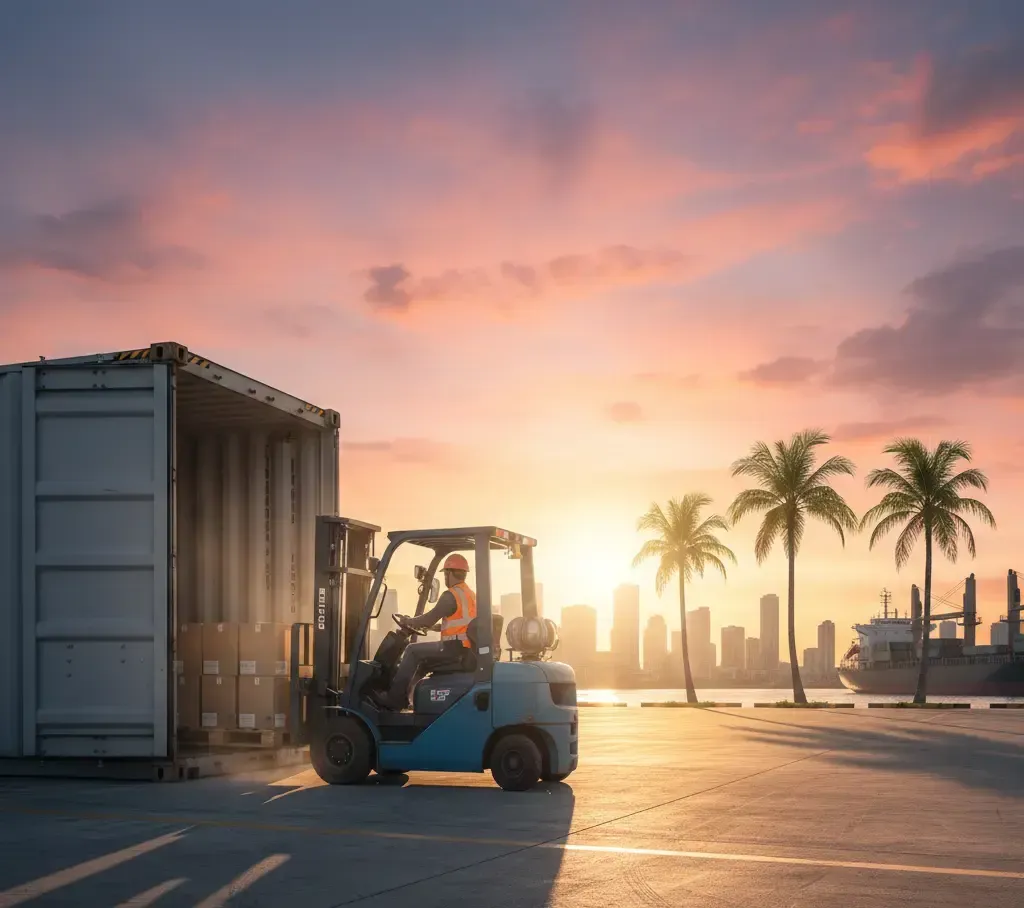
OSHA ramps up checks in Florida's key sectors. Ports in Miami and Jacksonville see frequent visits. Construction sites along the coast draw attention too.
High-risk areas like distribution centers face tough enforcement. Citations often stem from missing training proofs. Florida's economy relies on these industries, so slips hurt bad.
The Cost of Non-Compliance in Florida Fines and Penalties
Fines start at $16,131 for serious violations in 2025. Willful breaches hit $161,323 per case. Florida businesses pay millions yearly from these hits.
Add lost time from shutdowns. A single citation can delay shipments in tourism-driven areas. Insurance rates climb too, straining budgets.
One Tampa warehouse faced $50,000 in penalties after an untrained operator crash. Prevention through training pays off fast.
How does your current training measure up?
Talk to a Florida OSHA training specialist for a quick, confidential review.
Mitigating Risk: Safety and Accident Prevention
The Tangible Benefits of Certified Forklift Operators
Trained operators spot dangers early. They follow rules to avoid tip-overs and strikes. This cuts injury rates by up to 70%, per OSHA data.
Certification builds confidence. Workers move loads with care, reducing near-misses. Florida's tight spaces in stores and yards benefit most.
Businesses see fewer claims. Safe teams mean steady work without interruptions.
Preventing Catastrophic Accidents and Injuries
Modules teach stability basics. Operators learn the "stability triangle" to prevent flips. They practice in simulated tight turns.
Load limits get drilled in. Overloading causes most falls. Training shows how to check weights right.
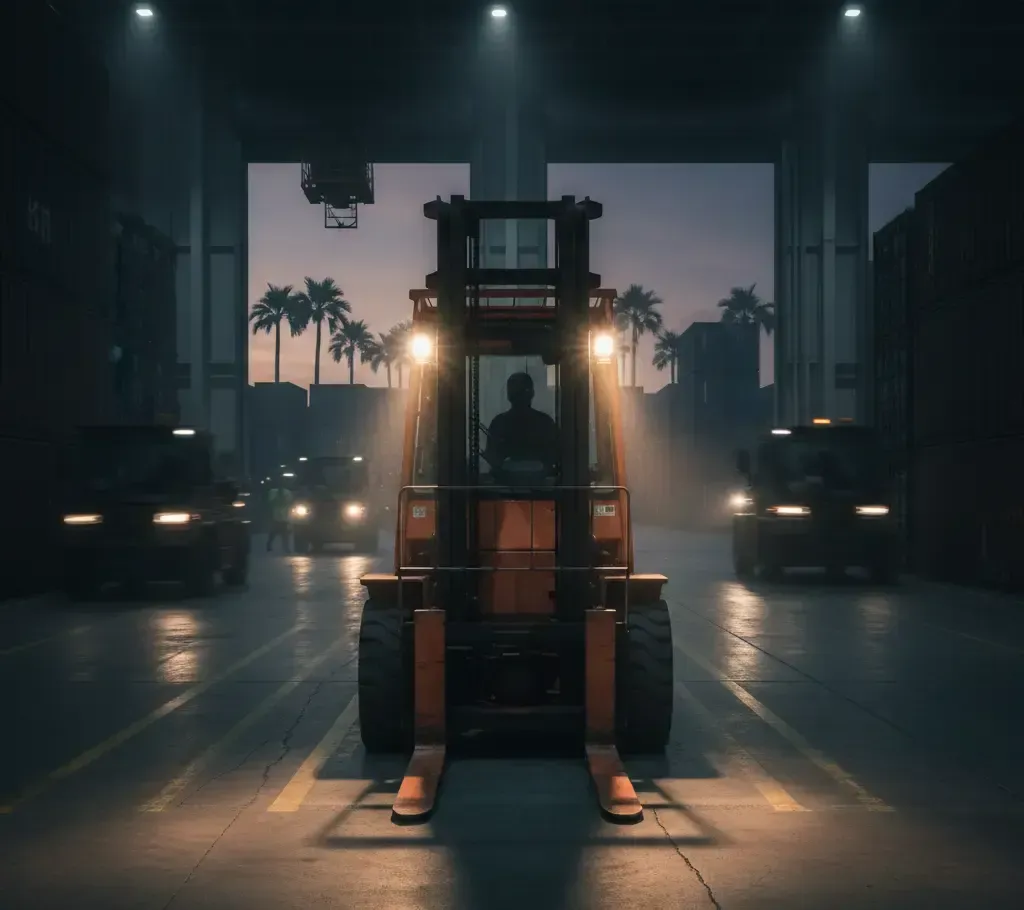
In Florida warehouses, poor lighting ups risks. Certified staff use lights and signals to stay safe. This prevents falls from heights or crushing injuries.
Reducing Property Damage and Inventory Loss
Skilled hands mean less rack damage. Operators judge clearances better, avoiding scrapes. One study shows 40% drop in such incidents post-training.
Inventory stays intact. No more crushed boxes or spilled goods. This saves thousands in replacements.
Florida's humid air rusts equipment faster. Trained eyes catch issues early, cutting repair bills.
Legal Ramifications for Uncertified Operators
Accidents with untrained staff lead to lawsuits. Employers face blame for negligence. Courts look at training records first.
Supervisors and owners share liability. A single case can bankrupt small firms. Florida law holds companies accountable.
Insurance may deny claims without proof of training. This leaves you exposed.
Workers’ Compensation Implications for Florida Employers
Non-compliance voids coverage in many policies. Claims get denied if training lacks. Premiums rise 20-30% after violations.
Florida's system ties rates to safety records. Good training lowers costs over time. Bad ones trigger audits and hikes.
One Orlando firm saw premiums double after a preventable crash. Invest in certification to keep rates stable.
Operational Excellence Through Proper Training

Enhancing Productivity and Efficiency
Training turns slow operators into pros. They handle tasks quicker without errors. This speeds up workflows in busy Florida hubs.
Untrained staff cause backups. Certified ones keep lines moving. Output rises as teams sync better.
Think of it like tuning a car engine. Proper skills make everything run smoother.
Optimized Workflow and Reduced Downtime
Standard methods cut handling time. Operators load and unload in set steps. Cycle times drop by 25% on average.
Fewer mistakes mean less rework. No halting for cleanups or fixes. Florida ports gain from this edge in fast trade.
Trained groups communicate better. They signal moves to avoid jams.
Proper Equipment Maintenance Tied to Operator Skill
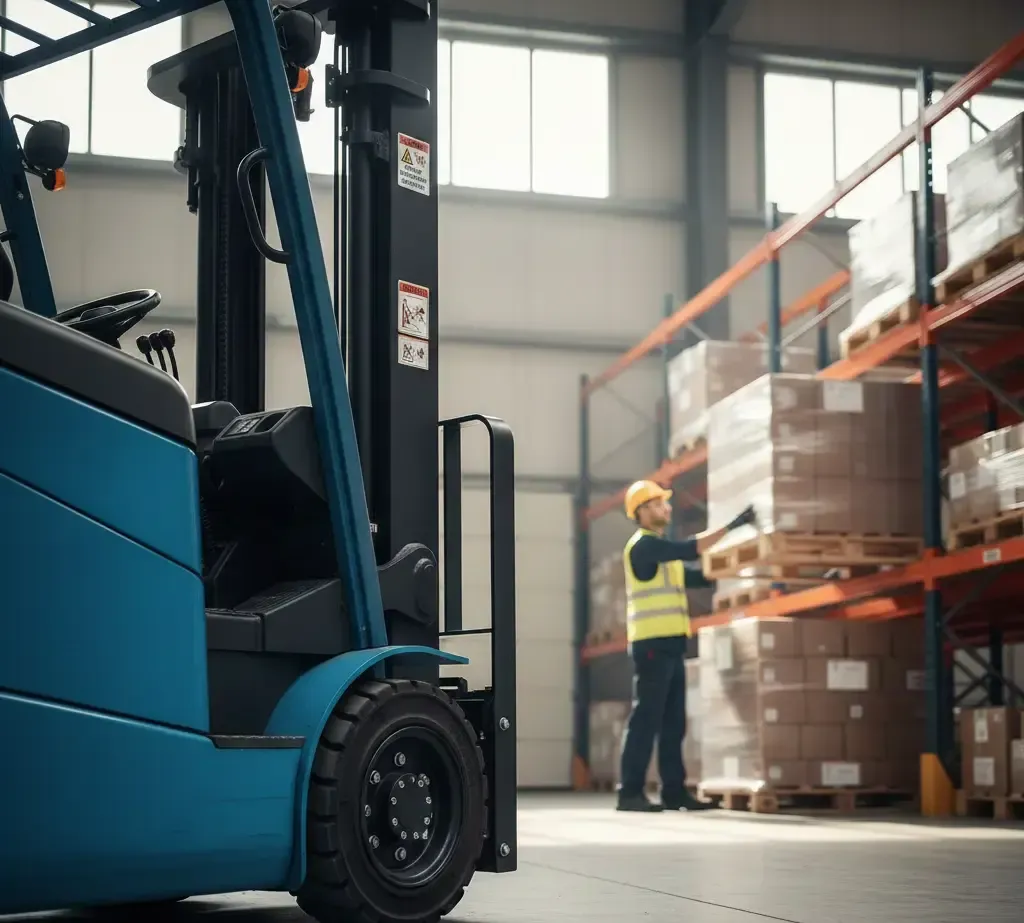
Operators check daily items like tires and fluids. They report leaks before they worsen. This prevents breakdowns.
Skills include spotting wear on forks or chains. Early alerts save on big repairs. One Florida depot avoided $10,000 fix this way.
Routine care extends forklift life. Businesses get more years from their fleet.
Choosing the Right Training Modality for Your Business
Pick formats that match your setup. Classroom works for basics. On-site adds real practice.
Blended options mix both for flexibility. Online theory plus hands-on fits shift workers. Florida's spread-out sites need mobile trainers.
Cost and time guide choices. Short sessions keep disruption low.
Site-Specific Hazard Training: A Critical Component
Generic classes miss your yard's quirks. Train on local floods or pedestrian paths. Florida rain makes slippery floors a top threat.
Map out your space. Cover unique spots like docks or elevators. This builds site-aware habits.
Operators test in your actual environment. It sticks better than far-off demos.
Actionable Steps for Establishing a Compliant Training Program
Implementing a Robust Evaluation and Certification Process
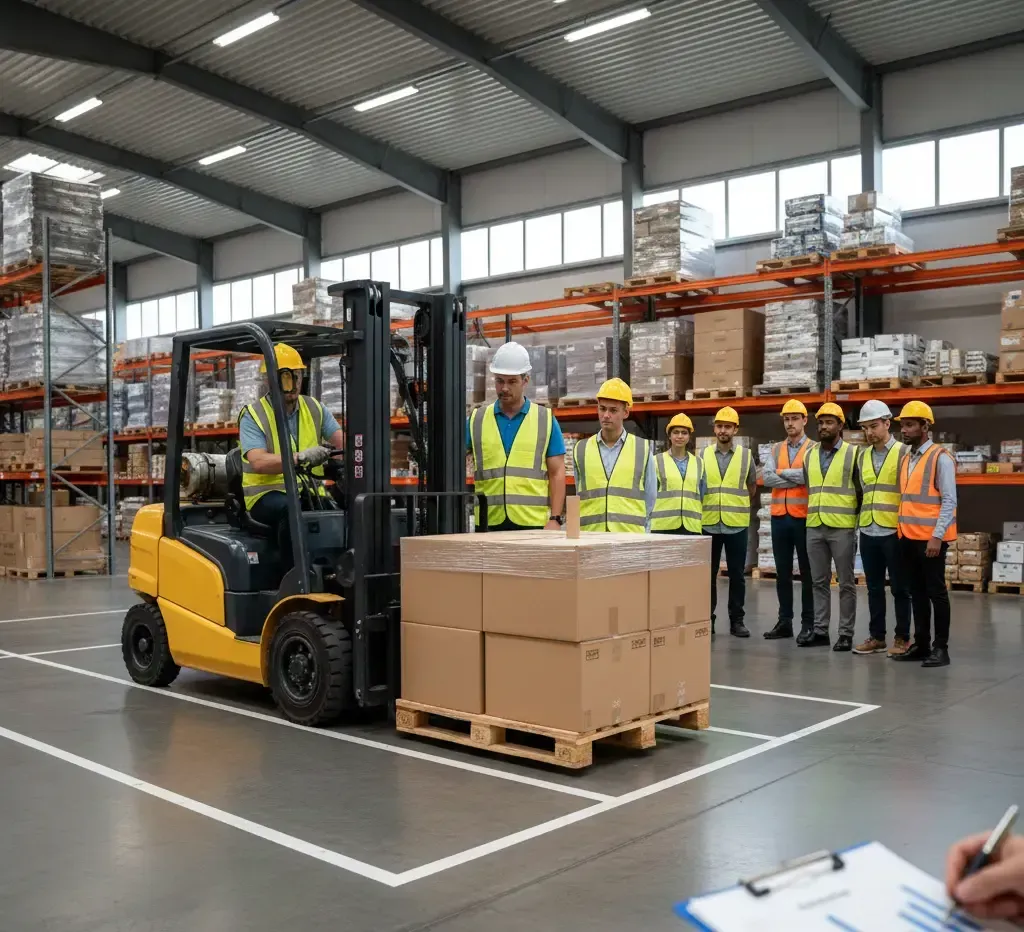
Start with a written test on rules and hazards. Follow with practical runs under watch. Pass both for certification.
Evaluate in real conditions. Note strengths and gaps. Issue cards valid for three years.
Keep the process fair. Use clear rubrics for scores.
Documenting Competency: The Paper Trail That Protects You
Maintain these records:
- Training dates and hours
- Instructor names and certs
- Test results and observations
- Refresher schedules
Store them securely. Digital tools like apps make it easy. Review yearly for updates.
This trail defends against claims. OSHA loves solid proof.
Strategies for Addressing Performance Deficiencies
If someone fails, retrain right away. Focus on weak areas like load balance. Set follow-up checks.
Watch habits post-training. Coach on the spot for slips. Use videos for feedback.
Build a support plan. Pair newbies with vets. This fixes issues fast.
Partnering with Certified OSHA Training Providers in Florida
Vet providers for OSHA alignment. Check if they update for new rules. Look for Florida experience.
On-site options save travel. Ensure they cover local weather risks. Get quotes from a few.
Partnerships build long-term ties. Schedule refreshers with the same team.
Ensuring Instructor Qualifications
Seek trainers with OSHA outreach certs. They need 5+ years in forklift ops. Hands-on demos prove skills.
Ask for references from Florida clients. Verify insurance and background checks. Qualified leads mean better results.
Avoid cheap unknowns. Quality training lasts.
The Bottom Line
OSHA-compliant forklift training guards against fines and accidents. It boosts safety, cuts costs, and lifts efficiency for Florida businesses. From ports to warehouses, it delivers real gains.
Don't wait for trouble. Set up your program now. Partner with pros and certify your team. This step secures your operations in the Sunshine State. Safe workers mean strong success.
Secure your Florida worksite today.
Schedule a free, on-site training consultation with our certified OSHA experts.