Top 5 Forklift Safety Violations Florida Businesses Face (And How to Avoid Them)
Forklift accidents in Florida claim over 100 lives each year and injure thousands more. These crashes often happen in busy warehouses, ports, and construction sites across the state. Fines from OSHA can hit six figures, and one bad incident might shut down your whole operation.
OSHA sets strict rules for powered industrial trucks to cut these risks. Florida businesses face extra pressure from high traffic in areas like Miami ports or Orlando distribution centers. Sticking to these standards keeps workers safe and avoids costly citations. In this guide, we cover the top five forklift safety violations in Florida. We also share simple steps to dodge them.
Violation 1: Inadequate Operator Training and Certification

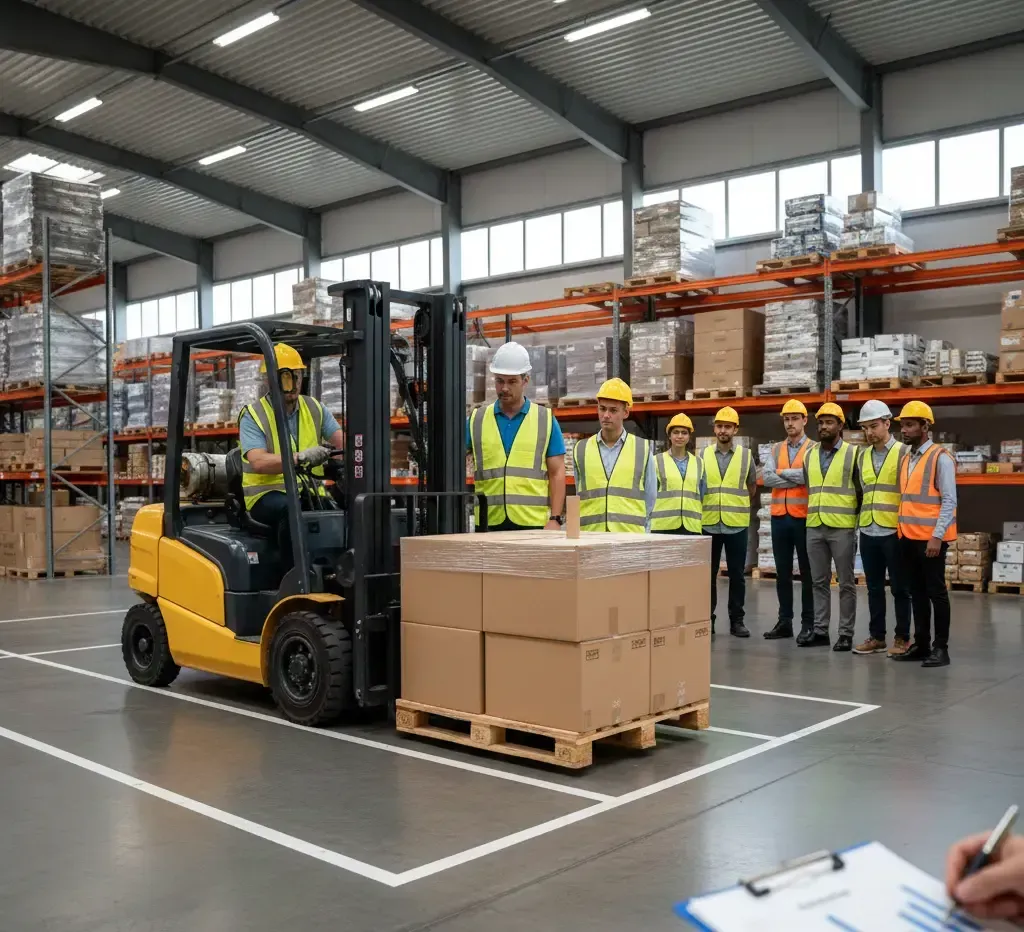
Lack of proper training tops the list of OSHA citations for forklifts. In Florida, this issue leads to many crashes in fast-paced industrial zones. Operators need clear skills to handle loads without harm.
Businesses often skip full programs, thinking quick sessions work. But OSHA demands hands-on practice and tests. Without it, drivers make errors that cause tip-overs or collisions.
Failure to Conduct Initial and Refresher Training
OSHA requires certification right after initial training. This includes classroom lessons, truck demos, and evaluations. Refresher courses must happen every three years or after any accident or close call.
In Florida's humid climate, trucks wear faster, so extra checks matter. One untrained operator in Tampa caused a fatal fall last year. Train staff early to build habits that last.
Operating Unsafe or Unfamiliar Equipment
Operators must get evaluated on the exact truck type they use. A certification for a sit-down model does not cover a stand-up reach truck. Switching without checks raises crash risks by 40%.
Picture a driver grabbing a borrowed forklift from another site. They might miss how the controls differ. Always match training to the gear on hand.
Actionable Fix: Implementing a Robust Documentation System
Set up a digital log for all training dates and results. Use simple apps to track who needs refreshers. This makes audits easy and proves compliance during OSHA visits.
Keep files in one spot, like a shared drive. Review them monthly to spot gaps. This system cuts violation chances and saves time on paperwork.
Need Help With Your Training Logs?
Our team can review your current program and spot critical gaps at no cost.
Violation 2: Improper Forklift Maintenance and Pre-Shift Inspections
Daily checks keep forklifts running safe. In Florida's salt air, rust and breakdowns come quick. Skipping this leads to gear failures that OSHA fines heavily.
Operators and mechanics share the duty. A small leak ignored can drop a load on a worker. Regular upkeep prevents most issues before they start.
Neglecting Required Daily Inspection Logs
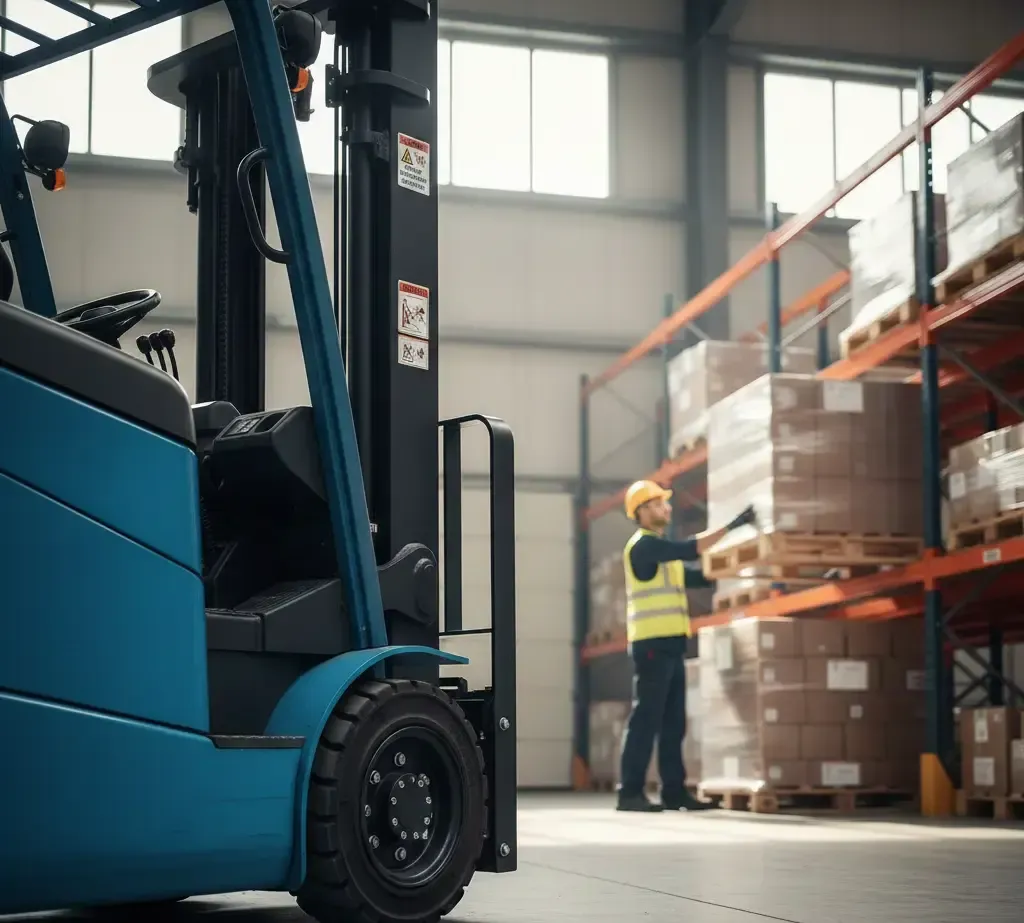
Before each shift, check brakes, horn, steering, mast, and fluids. OSHA says log these items in writing or digitally. Miss one, and you risk a ticket.
For example, low tire pressure in wet Florida weather causes slips. Use a checklist posted near the trucks. Sign off each time to build accountability.
- Brakes: Test for quick stops.
- Horn: Ensure it sounds clear.
- Steering: Check for smooth turns.
- Mast: Look for cracks or wear.
- Fluids: Top off oil, hydraulic, and coolant.
Operating Defective Equipment ("Defective Means Grounded")
If you spot a fault, tag the truck out right away. Do not drive it until fixed. Hydraulic leaks can cause sudden drops, injuring those below.
In one Jacksonville case, a faulty brake led to a runaway forklift. Grounded means parked and locked. This rule stops small problems from turning deadly.
Lack of Preventative Maintenance Schedules
Plan oil changes and part swaps every few months. Document each service to show OSHA your routine. This avoids big breakdowns that halt work.
Florida heat stresses batteries and engines. Schedule checks based on hours used, not just calendar days. A solid plan keeps trucks reliable and compliant.
Violation 3: Unsafe Traveling Practices and Speeding in Industrial Areas

Forklifts move fast in tight spaces, raising pedestrian risks. Florida's busy ports see many such incidents. Safe driving habits prevent most rollovers and hits.
Operators often rush, ignoring basic rules. Speed limits inside facilities cap at 5-8 mph. Break them, and you invite chaos.
Traveling with Loads Elevated or Obstructed View
Keep loads low to the ground and tilted back for stability. Raise them only when placing. If your view blocks, use a spotter.
In crowded Miami warehouses, high loads blind drivers to workers. This setup causes 25% of forklift strikes. Always travel with forks 2-4 inches off the floor.
Ignoring Traffic Rules and Speed Limits
Look ahead while moving, not behind. Stay back from ramps or edges to avoid falls. Follow site speed signs to match conditions.
Wet floors from Florida rains make control hard. One speeding driver in Orlando hit a rack, spilling goods. Slow down in turns and near people.
Improper Loading and Unloading Procedures
Center loads on forks for balance. Secure them with straps if needed. Never let riders on the forks or pallets.
Unstable stacks tip easy in wind or quick stops. In ports, heavy cargo shifts during travel. Check weight limits first to avoid overloads.
Violation 4: Poor Forklift Pedestrian Interaction Management
Foot traffic mixes with forklifts in Florida's high-volume sites. This leads to crush injuries or run-overs. Good separation saves lives.
Busy shifts mean more close calls. Without clear paths, accidents spike. Plan ahead to keep people and machines apart.
Absence or Ineffectiveness of Traffic Control Measures
Use barriers, marked walkways, and mirrors at corners. Bright lights help in dim areas. These steps divide paths and cut blind spots.
In Everglades distribution hubs, poor markings caused several strikes. Install signs like "Forklift Zone – Pedestrians Keep Out." Train all staff on routes.
Failure to Use Warning Devices (Horns and Lights)
Honk at crossings, doors, and turns. Keep headlights and alarms working. Backup beepers alert those behind.
Silent trucks surprise walkers in noisy plants. A Fort Lauderdale incident involved a quiet reverse, hitting a worker. Test devices daily.
Real-World Impact: The Dangers of Blind Spots in Busy Florida Distribution Centers
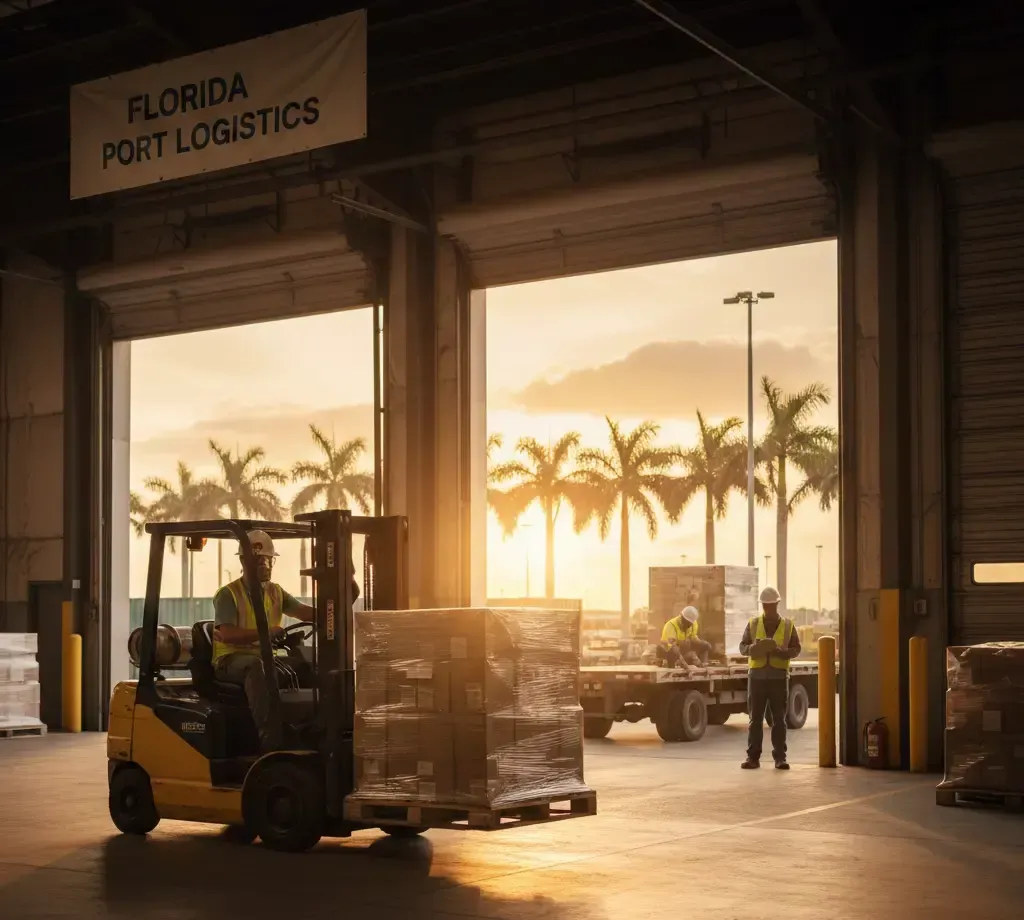
Backup crashes top the list in coastal centers like those near I-95. Loads block rear views, and echoes hide sounds. One common case: a forklift backs into a loading dock, unseen by a hurrying employee.
Add convex mirrors on poles for better sight. In high-traffic spots, assign spotters during peak hours. This simple change prevents many tragedies.
Violation 5: Improper Battery Charging and Refueling Procedures
Batteries and fuel pose fire and spill risks. Florida's warmth speeds chemical reactions. Wrong handling sparks explosions or burns.
Charging areas need special setups. Ignored, they lead to evacuations and fines. Follow basics to stay safe.
Inadequate Ventilation in Charging Areas
Hydrogen gas builds during charges, risking blasts. OSHA calls for fans to pull air out at 200 cubic feet per minute. Keep stations away from flames.
In humid Tampa shops, poor airflow traps fumes. Install exhaust hoods over chargers. Check them often to ensure flow.
Failure to Protect Personnel During Fueling/Battery Exchange
Wear goggles and aprons when swapping batteries or propane. Have eyewash stations close by for spills. No smoking or sparks nearby.
Acid spills blind without quick rinses. A Port Canaveral case saw burns from ignored gear. Train on PPE use before tasks start.
Storing Propane Cylinders Incorrectly
Chain tanks upright in cages, far from heat. Close valves when not in use. Store indoors only if ventilated.
Loose cylinders roll and leak in storms. Florida hurricanes add urgency to secure spots. Label storage for easy checks.
Cultivating a Culture of Proactive Forklift Safety Compliance
Florida businesses deal with these five key forklift safety violations: poor training, skipped maintenance, unsafe travel, bad pedestrian management, and risky refueling. Each one ties to OSHA rules that protect lives and operations. Compliance builds over time through daily habits, not just checks.
Start with a full safety audit from outside experts. Tailor it to Florida's ports and warehouses. This spots issues early and keeps fines away. Your team deserves safe tools—act now to make it happen.
Stop Violations Before They Start
Secure a compliant worksite. Book a professional safety audit for your Florida facility today.