How On-Site Forklift Training Helps Florida Businesses Reduce Downtime & Increase Productivity
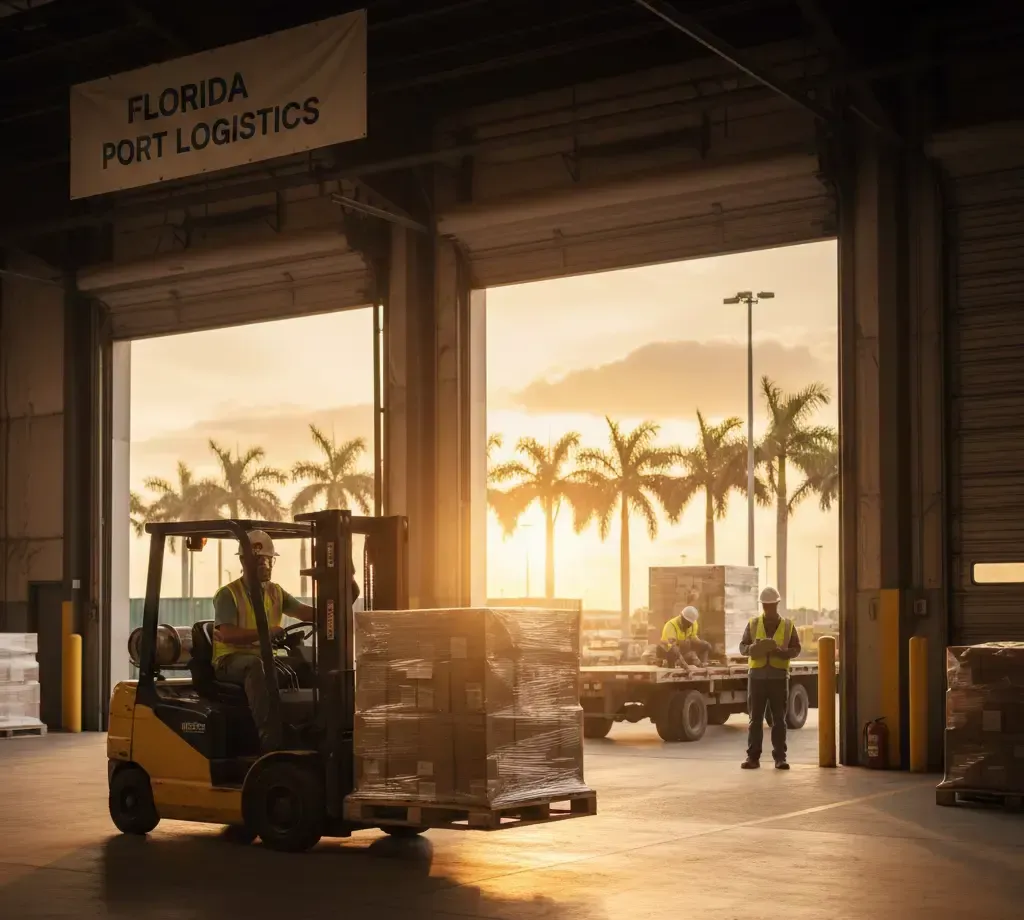
In Florida's busy ports and warehouses, a single forklift mishap can stop everything. Think about the Port of Miami or Tampa's distribution centers—places where trucks line up and goods move non-stop. Yet, untrained operators often cause accidents that lead to hours of lost work.
The average forklift incident costs businesses over $30,000 in damages, medical bills, and fines, according to OSHA data. Add in Florida's steamy weather that makes floors slippery, and you see why generic training just doesn't cut it. Off-site classes teach basics, but they skip your site's real risks, like tight aisles or salty sea air rusting equipment.
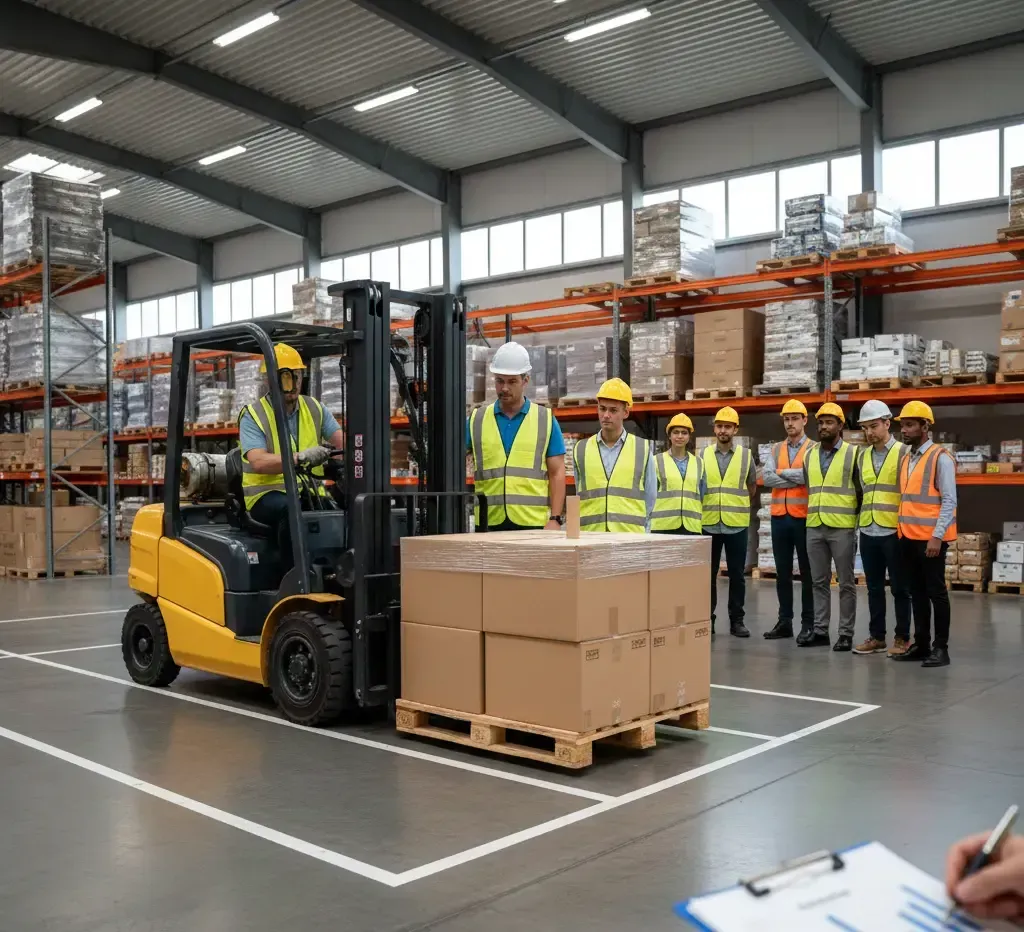
On-site forklift training fixes this. It brings experts to your door to teach hands-on skills with your exact machines and layout. This approach cuts downtime and ramps up productivity right away.
Why Generic Forklift Certification Falls Short for Florida Operations
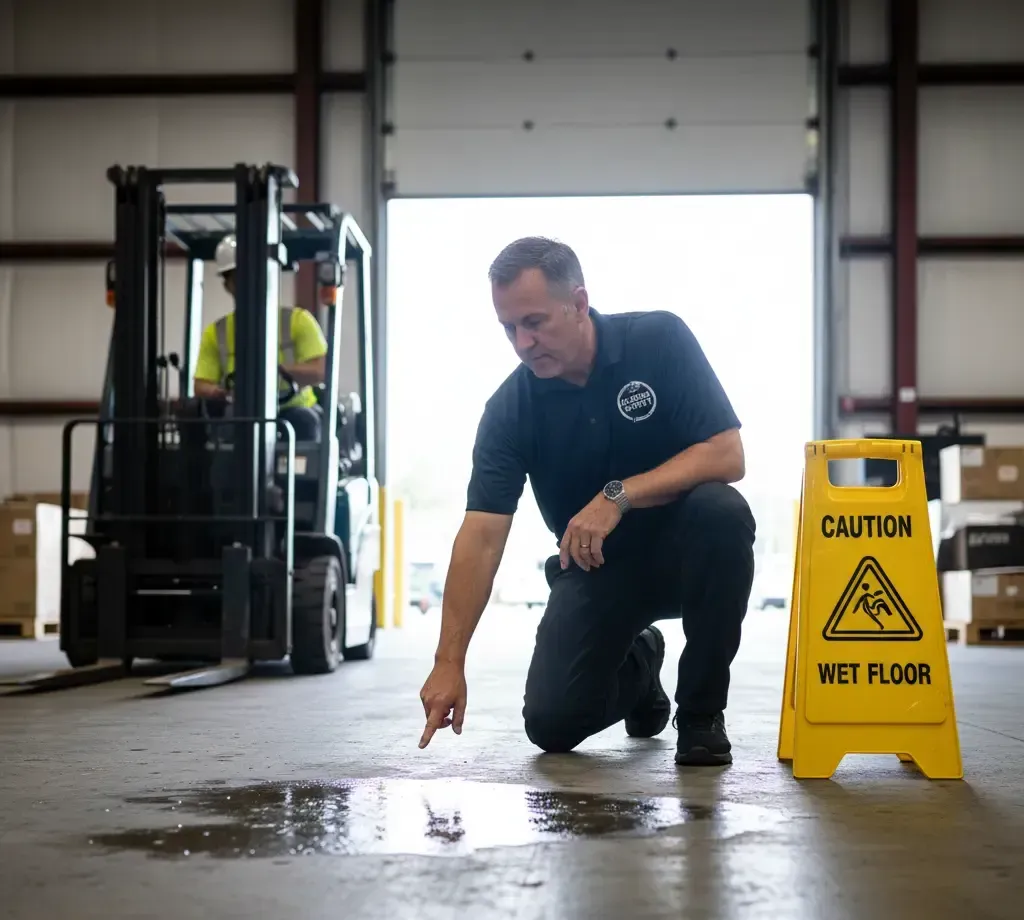
Standard forklift certification sounds good on paper. It covers rules and safe driving. But for Florida businesses, it often misses the mark. Your warehouse deals with unique issues, like sudden rain or crowded docks. Off-site training can't mimic that. On-site sessions do, making operators ready for your world.
OSHA Compliance: Site-Specific Hazard Assessment
OSHA sets clear rules in 29 CFR 1910.178. Employers must train workers on the exact forklifts and conditions at their site. This includes spotting hazards like wet floors from Florida's humidity or uneven ground near loading areas. Skip this, and you face fines up to $15,000 per violation. On-site training meets these demands head-on. Trainers walk your floor, point out risks, and practice fixes. You get proof of compliance that holds up in audits. No more guessing if your team knows the local dangers.
Equipment Familiarization vs. General Operation
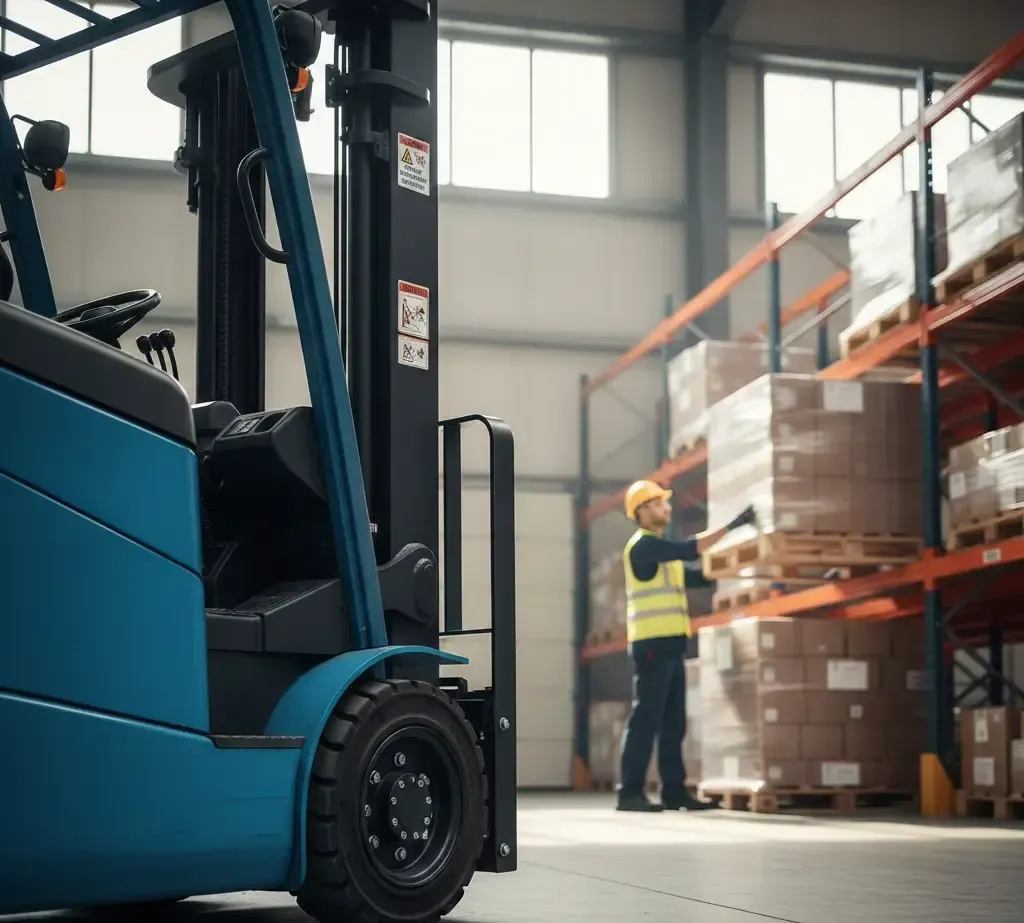
Forklifts come in all shapes. A reach truck for high shelves acts different from a rough terrain model for outdoor yards. Generic classes show videos and talk theory. They don't let you drive your own gear. On-site training changes that. Operators spend time on your fleet—feeling the controls, learning quirks like how humidity affects brakes. This builds real skill. Imagine an operator who knows just how to adjust for your stand-up counterbalanced unit. No more slow starts or errors from unfamiliarity.
Navigating Unique Facility Layouts and Traffic Patterns
Every warehouse has its own flow. Narrow paths in a Miami distributor might twist around pallets. Pedestrians mix with forklifts in busy Tampa hubs. Generic training ignores these details. It uses fake setups that don't match. On-site work happens in your space. Trainers map routes, teach how to spot blind spots, and drill safe turns. Operators learn to weave through your traffic without stops. This cuts confusion and speeds daily tasks.
Want a direct consultation?
Schedule a free 15-minute phone call with a Florida safety expert to discuss your site's specific challenges.
Quantifiable Reduction in Downtime Through On-Site Expertise
Downtime hits hard in Florida's fast supply chains. A broken lift or injury means delayed shipments and angry clients. Skilled operators from on-site training keep things moving. They spot issues early and handle tasks smooth. Studies show trained teams cut incidents by 70%, saving hours each week.
Minimizing Accidents and Near-Miss Incidents
Accidents don't just hurt people—they freeze operations. In Florida, outdoor yards get slick from quick storms. Generic training skips these scenarios. On-site sessions simulate them: practice on wet concrete or bumpy paths. Operators learn to slow down and check loads. This drops near-misses, which OSHA says cause most downtime. One business in Orlando saw crashes fall 50% after such training. No more halting lines for cleanup or reports.
Faster Turnaround Times in Loading and Unloading
Loading docks are bottlenecks. Trailers wait while operators fumble with straps or alignments. Off-site knowledge doesn't cover your dock heights or trailer types. On-site training does. Workers practice backing into your exact spots, stacking for quick grabs. In Florida ports, this shaves minutes per truck. A Jacksonville firm cut unload times by 20%. Goods flow faster, keeping schedules tight.
Reduced Equipment Malfunctions Due to Operator Error
Bad habits wreck machines. Carrying loads too high strains booms. Sharp turns wear tires fast. Generic classes warn about this but don't correct it on your floor. On-site trainers watch and fix these moves live. They show proper heights and speeds for your setup. This extends equipment life—fewer breakdowns mean less repair time. Florida's heat already stresses parts; smart handling adds years.
Boosting Warehouse Productivity and Material Flow Efficiency
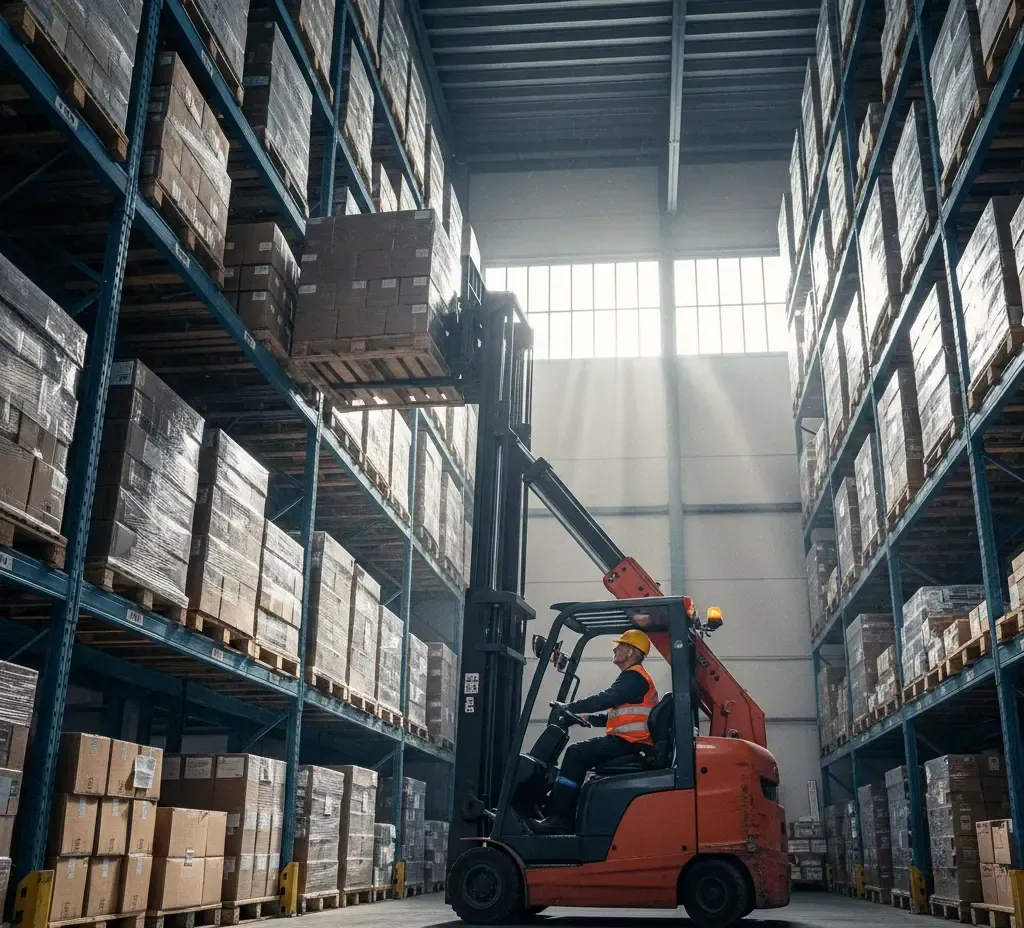
Safety is key, but training also pushes output higher. Confident operators work quicker and smarter. They use space better and team up with tech. On-site programs turn your warehouse into a well-oiled machine.
Optimized Stacking and Storage Density
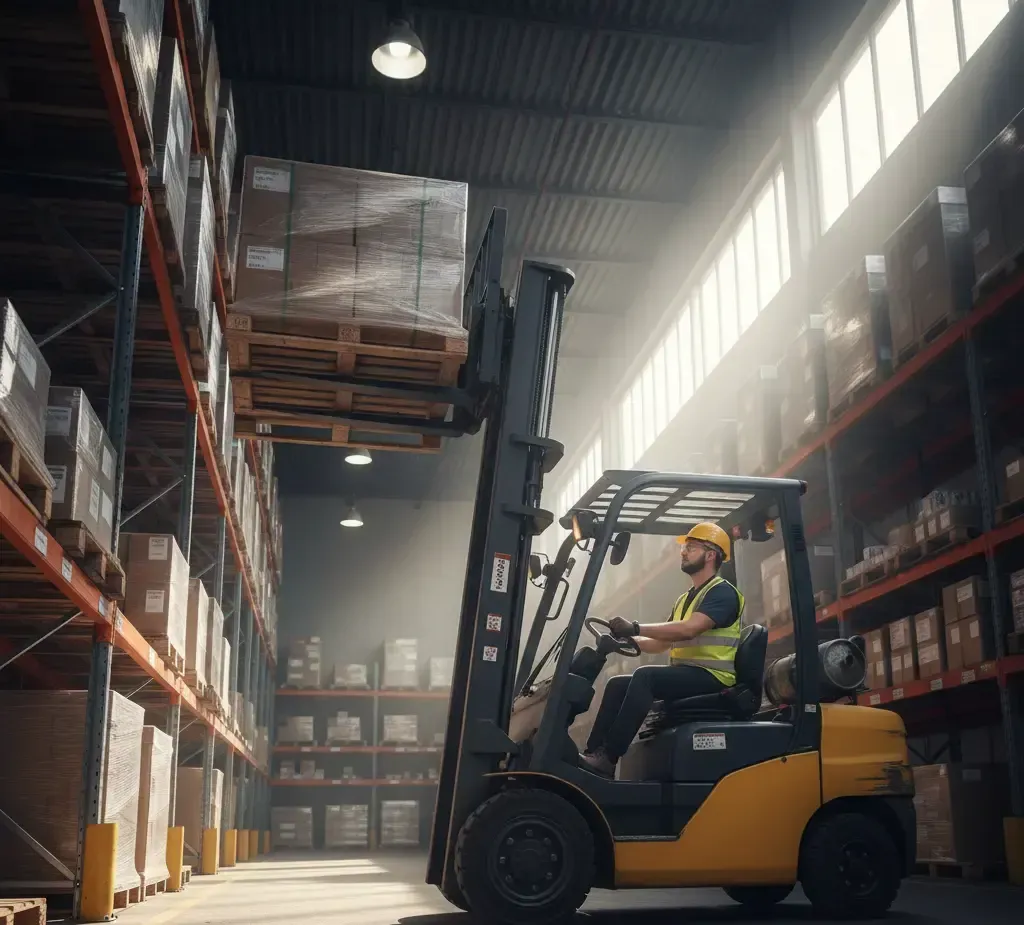
Racks sit half-empty if operators fear heights. Generic training builds basic skill, not bold use. On-site work lets them practice safe lifts to full height. They learn balance for your pallet sizes. This packs more goods without new shelves. A Fort Lauderdale center boosted storage by 30%. No extra costs—just better use of what you have.
Implementing Efficient Travel Paths and Zoning
Wasted trips eat time. Operators zigzag without a plan. Trainers map smart paths during on-site sessions. They zone areas for picks and drops, cut cross-traffic. In big Florida centers, this saves miles daily. Teams follow signs and signals learned on-site. Productivity jumps as pallets move straight to spots.
Integrating New Technology and Automation Safely
Many sites add robots or guides. Forklifts must share space without clashes. Generic training skips this mix. On-site experts teach side-by-side ops. Operators learn signals for automated paths. In humid Florida, they practice sensor checks too. This keeps flow smooth, no halts for tweaks.
The Economic Advantage: ROI of Localized Training Investment
Upfront costs for on-site training pay back fast. Think $500 per operator versus thousands in losses. Insurance drops, staff stays, and output grows. Florida businesses see returns in months.
Lower Insurance Premiums Through Documented Safety
Insurers love proof of training. Site-specific records show you care. They cut rates by 10-20% for low-risk firms. Generic certs don't impress as much. On-site logs detail your hazards and fixes. During claims, this evidence fights big payouts. A Miami warehouse saved $8,000 yearly on premiums.
Decreased Employee Turnover in High-Risk Roles
Forklift jobs scare newbies without good prep. They quit fast, costing hires and ramps. On-site training builds confidence. Workers feel safe and skilled. Morale rises; they stick around. Florida's job market is tight—retain yours with this edge. Turnover drops 25%, per industry stats.
Actionable Tip: Creating an Internal Certification Program
Start your own refreshers post-training. Schedule quarterly checks on skills. Use on-site methods: quick drills in your space. Track progress with simple logs. This keeps OSHA happy and skills sharp. Involve supervisors to spot slips early. Your program becomes a tool for ongoing wins.
Securing Florida's Operational Future with Specialized Training
On-site forklift training fits Florida's needs like a glove. It tackles local hazards, meets OSHA rules, and drives real gains. Businesses cut downtime from accidents and errors while lifting productivity through smart habits and tech ties.
Key takeaways include:
- Tailored skills that match your site and gear for quick compliance.
- Fewer incidents, leading to smooth runs and saved time.
- Better use of space and paths, maximizing what you already own.
Ready to reduce your downtime?
Get a free, no-obligation quote for customized on-site forklift training at your Florida facility.